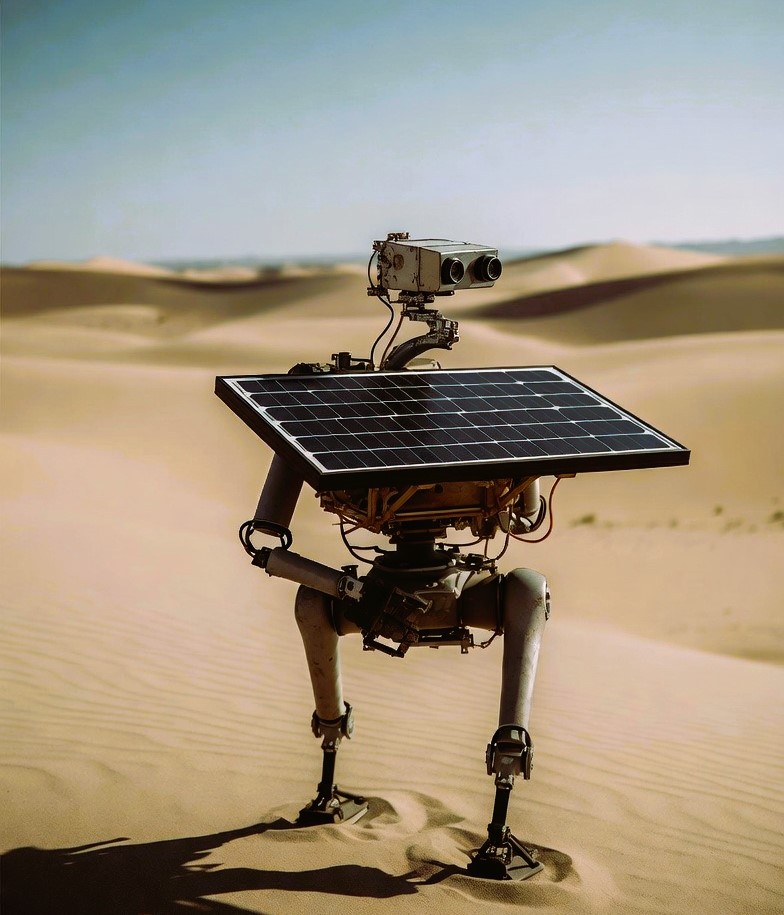
The Connection Between AI and Solar Energy is a true symbiosis: AI dramatically accelerates the development and efficiency of solar energy, while solar energy, together with batteries, becomes the primary scalable way to meet the massive energy demands of AI.
1. Solar Energy is the Main Supplier for AI Growth
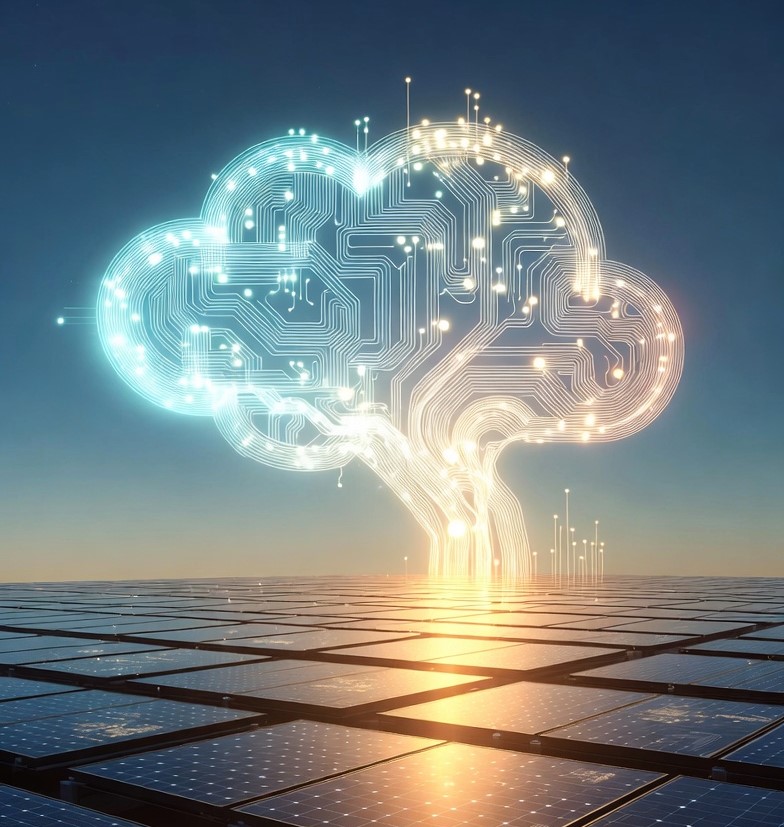
AI data centers are one of the fastest-growing drivers of global electricity demand, projected to reach 945–2200 TWh by 2030–2035. That's an equivalent to the consumption of Japan or India.
Solar + storage is the most scalable and fastest-deployable source of new power.
Major tech players (Microsoft, Google, Meta, Amazon, OpenAI) are signing large, long-term contracts for Solar and Energy Storage projects:
Microsoft: hundreds of MW of solar projects in the US (Illinois, Texas, etc.).
OpenAI plans for massive solar farms + storages
Google, Meta: billions of dollars in solar PPAs (power purchase agreements)
In the US, ~95% of new capacity added in 2025 is solar + batteries, directly responding to AI-driven demand. Solar is often cheaper and faster to deploy than gas or nuclear, while aligning with the ESG goals of tech giants.
2. AI Radically Improves Solar Energy, makes it cheaper, more reliable, and more efficient.
● Generation Forecasting: accuracy improved by 20–30% (accounting for real-time weather, cloud cover, dust, etc.).
● Optimization of Panels and Farms: real-time solar tracking, automatic angle adjustment, cleaning, defect detection (dust, cracks). Yield increase of 5–15% without adding new panels.
● Hybrid System Management (solar + batteries + wind + hydrogen): minimizes curtailment and maximizes self-consumption.
● Predictive Maintenance: reduces downtime by 20–40% and extends equipment lifespan.
● Smart Grid & Balancing: AI unlocks 10–15% of hidden capacity in existing transmission lines and integrates millions of distributed solar installations.
● Generative AI: speeds up R&D for new panel materials, optimizes farm layouts, and cuts development costs.
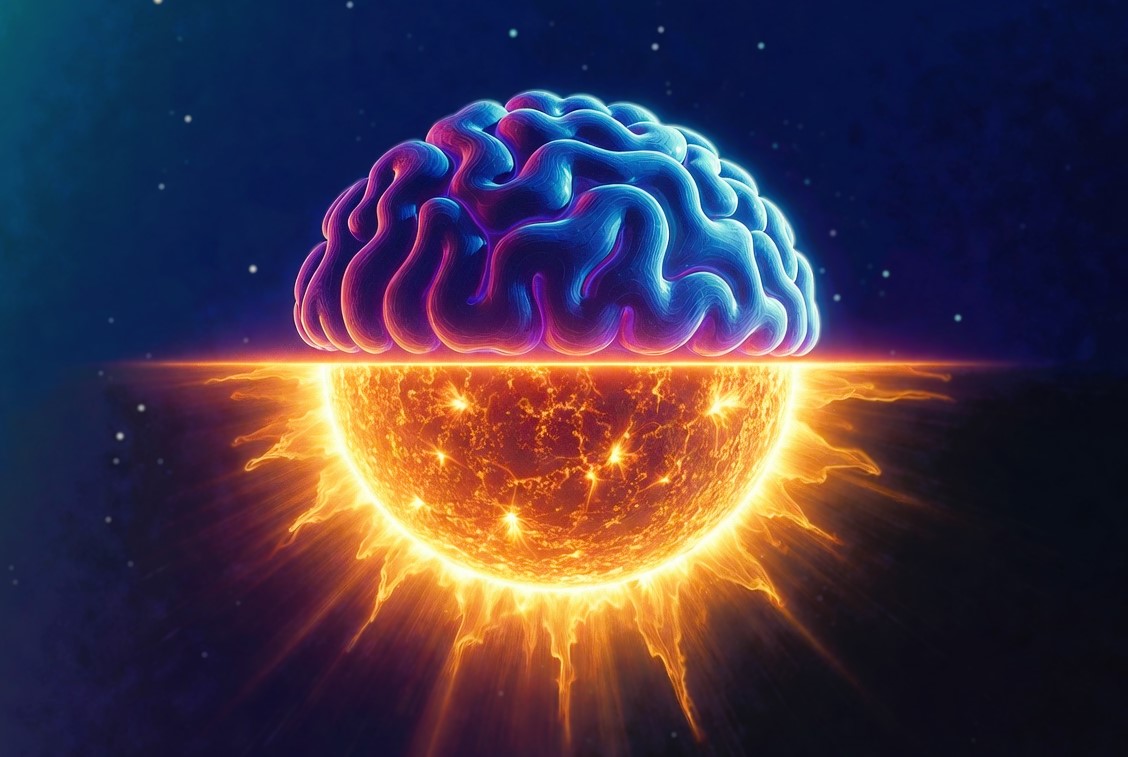
3. AI and Solar Symbiosis: Mutual Acceleration (2025–2026 Trend)
AI → more solar: data-center demand drives construction of huge solar farms + batteries (especially in the US, China, Europe).
Solar → more AI: cheap, fast, and “green” power removes the bottleneck for computational growth.
In 2026, this is increasingly called the “Green AI economy”, clean energy led by solar becomes the foundation of AI infrastructure. Key challenge here is intermittency which could and will be solved precisely by AI + batteries; without them, solar cannot reliably power 24/7 data centers.
4. Short Summary
Solar energy is the only truly scalable source that can keep up with the explosive growth of AI (faster than nuclear, cheaper than gas in the long run).
AI is the most powerful catalyst for the solar revolution: it boosts efficiency by 10-30%, reduces costs, and accelerates grid integration.
This creates a positive feedback loop: more AI requires cheap energy → solar + AI optimization delivers that energy → AI becomes even more powerful and grows faster.
It’s a classic virtuous cycle: the more AI grows, the more solar is built; the more solar + AI management exists, the stronger AI becomes.